

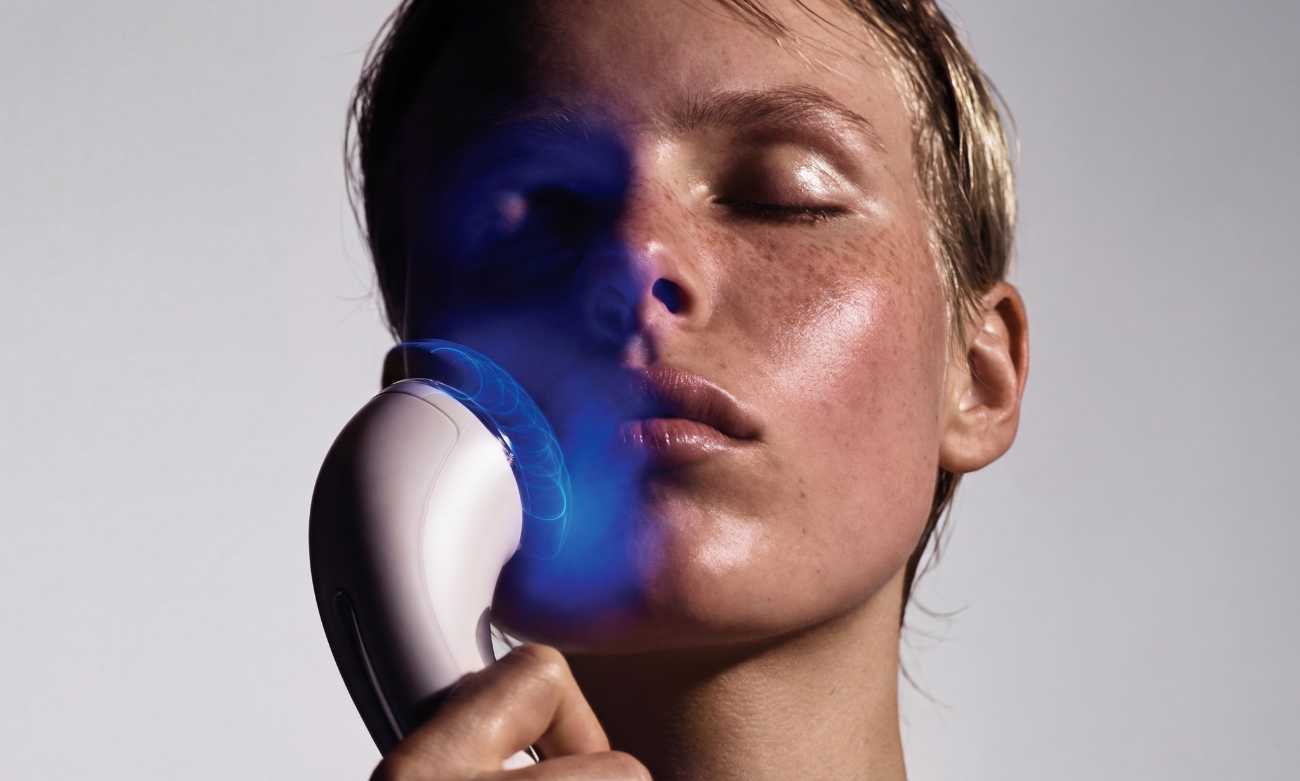
Brazil: A Strategic Opportunity for International Beauty Device Brands
Brazil is one of the most relevant markets worldwide when it comes to aesthetics, non-surgical procedures, and energy-based technologies. For international manufacturers of aesthetic devices, the country represents a significant opportunity — provided that market entry is structured strategically.
In this article, developed by the strategy team at ThinkLab, we present an analysis based on official data and in-depth market intelligence.
1. The Real Size of the Brazilian Market
Brazil ranks among the largest global markets in both surgical and non-surgical aesthetics.
Healthcare Professionals
According to official data:
- 575,930 active physicians (Medical Demography 2024 – Federal Council of Medicine)
- 441,000 active dentists (Federal Council of Dentistry)
- 177,000 active biomedical professionals, with strong growth in aesthetic practice (Federal Council of Biomedicine)
- An estimated 350,000 to 480,000 estheticians and aesthetic professionals (ABIHPEC sector data and beauty market reports)
This professional ecosystem creates a solid base of potential buyers, prescribers, and decision-makers for aesthetic technologies.
Clinic Infrastructure
According to Sebrae and sector analyses:
- There are more than 500,000 establishments related to beauty and aesthetics in Brazil
- Within this universe, an estimated 100,000 to 150,000 clinics and practices operate in advanced aesthetics, including medical, dental, and specialized aesthetic clinics
This scale creates a fragmented yet highly dynamic market.
Global Position
According to ISAPS (International Society of Aesthetic Plastic Surgery):
- Brazil ranks among the top three global markets in aesthetic procedures
- It is a global leader or vice-leader in plastic surgery procedures
- It is among the largest markets worldwide in non-surgical procedures, including botulinum toxin, fillers, and energy-based technologies
In other words, Brazil is a mature, sophisticated market with high per capita consumption of aesthetic services.
2. Brazil: A Competitive Market — Yet Open to Innovation
The Brazilian beauty device market — including ultrasound, radiofrequency, HIFU, plasma, cryolipolysis, electroporation, and combination technologies — presents clear characteristics:
- High competition
- Technological maturity
- Price sensitivity in the aesthetic segment
- Strong scientific requirements in the medical segment
However, the market remains open to innovation when supported by:
- Real technological differentiation
- Premium positioning
- A structured scientific authority strategy
- A clearly defined commercial framework
Entering Brazil solely through distribution, without strategic market intelligence, may result in price competition and misaligned positioning.
3. Why a Strategic Market Entry Consulting Approach Is Essential
Brazil is large, complex, and regulated. A structured market entry strategy involves:
- In-depth competitive analysis
- Validation with physicians and aesthetic professionals
- Definition of the appropriate entry model (exclusive distributor, private label, or own brand structure)
- Clear positioning strategy
- Structured launch plan
Without this groundwork, financial risk increases significantly.
For international beauty device manufacturers — especially Asian brands — the timing is favorable, provided that entry is guided by intelligence, differentiation, and long-term strategic vision.
ThinkLab structures Brazilian market entry projects through:
- Strategic intelligence
- Competitive mapping
- Qualitative interviews with decision-makers
- Positioning definition
- Structured launch planning
Brazil is not simply a large market.
It is a strategic market — when approached correctly.

Nicole Simonato
Branding and marketing strategist and founder of ThinkLAB. With over a decade of experience and involvement in more than 300 projects, she works on the development and positioning of brands in the health, aesthetics, dermocosmetics, and wellness sectors. She holds a degree in Communication with a specialization in Marketing, a postgraduate degree from ESPM-Sul, and a Master’s degree in Design from UNISINOS. She operates at the intersection of strategy, creativity, and business, supporting companies in building relevant brands, achieving market differentiation, and generating long-term value.